
Washington, D.C., is home to many immigrants and refugees who, in many cases, have spent years contributing to the local economy. Some immigrants and refugees choose to pursue entrepreneurship, and their restaurants play an important role in the cultural and economic life of the region. This website highlights a range of refugee- and immigrant-owned restaurants in the DMV while also offering viewers more information about the refugee resettlement process in the U.S. It is designed for DMV locals, visitors, and changemakers who want to explore great food and support refugee and immigrant entrepreneurs.
About:
Washington, D.C., is home to many refugees and a city full of cultural diversity. Many refugee-owned restaurants are serving delicious meals, connecting the D.C. public to ethnic cuisines from around the world. These restaurants showcase refugees’ resilience as they overcome many barriers to become successful entrepreneurs in the U.S. By visiting these restaurants, guests can enjoy unique experiences and support refugees working to rebuild or maintain their lives in the U.S. These restaurants also create opportunities for cross-cultural dialogue, helping the D.C. community better understand and appreciate the cultures and stories of refugees.
This website was created by a freshman at The George Washington University as part of a University Writing assignment focused on refugee entrepreneurship and restaurants in the D.C. area.
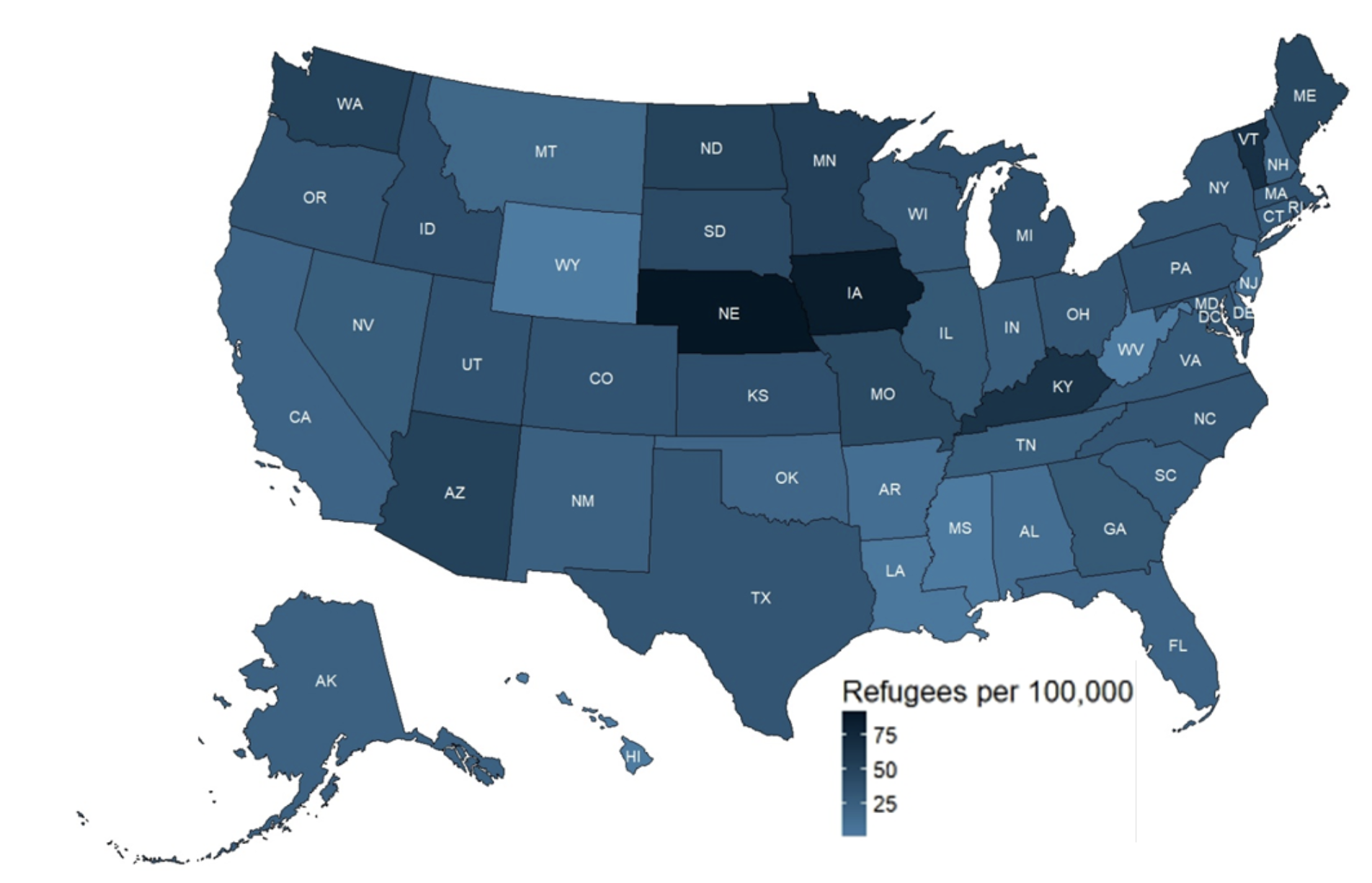
Per Capita Refugee Resettlement by State of Residence: Fiscal Year 2024
Graph courtesy of The Office of Homeland Security Statistics
Refugee Entrepreneurship as a Bridge
Refugee entrepreneurship serves as a critical bridge between refugees’ existing human capital and the structural barriers they encounter in the U.S. labor market. Because rapid-employment policies often force refugees into low-wage jobs that do not reflect their skills, entrepreneurship provides an alternative path that utilizes their past experience. Many refugees arrive with professional backgrounds, including culinary skills, but struggle to transfer these qualifications due to credential non-recognition, discrimination, and language barriers. Through entrepreneurship, refugees can bypass these obstacles by relying on their own knowledge and cultural expertise. This also allows refugees to work in industries that align with their goals rather than being placed into positions that underestimate their abilities.
Moreover, entrepreneurship acts as a point of connection between refugees and their new communities. Refugee-owned restaurants create spaces where cultural exchange, economic activity, and social integration occur simultaneously. These businesses allow refugees to share their traditions while also contributing directly to local economies. In this way, entrepreneurship becomes a financial strategy and community-building endeavor. Therefore, expanding entrepreneurship opportunities for refugees is essential, as it offers both economic independence and a pathway to fuller participation in U.S. society.
Studies confirm the economic benefits refugees bring to the U.S. economy. According to a 2019 study by the American Immigration Council, nearly 2.4 million refugees in the United States earned a collective $93.6 billion in household income. They paid $25 billion in taxes, leaving about $68.6 billion in disposable income to contribute to the U.S. economy.
The Refugee Crisis and Resettlement in the U.S.
Around the world, millions of people are displaced due to conflict, persecution, or natural disasters. The refugee crisis is reaching unprecedented levels, with an estimated 123.2 million people who have been displaced, as of 2024. Historically, the U.S. has hosted many refugees, offering them safety and opportunity to build a new life. In 2024, the U.S. admitted 100,034 refugees from the Democratic Republic of the Congo, Afghanistan, Syria, and Venezuela.
However, when refugees arrive in the U.S., their journey is far from over. They face many challenges, including language barriers, discrimination, a tough labor market, and the task of rebuilding their community. According to the U.S. Office of Refugee Resettlement, only 53 percent of work-age refugees are proficient in English upon arrival in the U.S., making communication with employers and consumers difficult for many. Additionally, employers tend to judge refugees prematurely due to their physical appearance, associating people from West Africa and the Middle East with “global trouble spots, violence, terrorism, and poverty.”
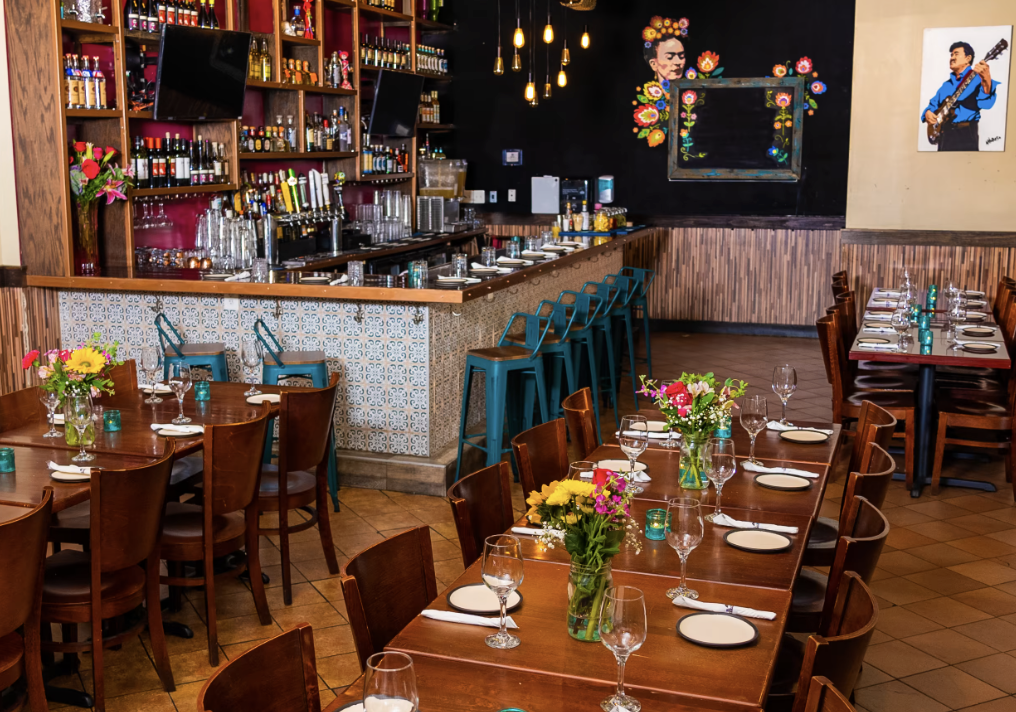
Photo courtesy of Washington Digital Media | Inside EL Tamarindo in Washington, D.C.
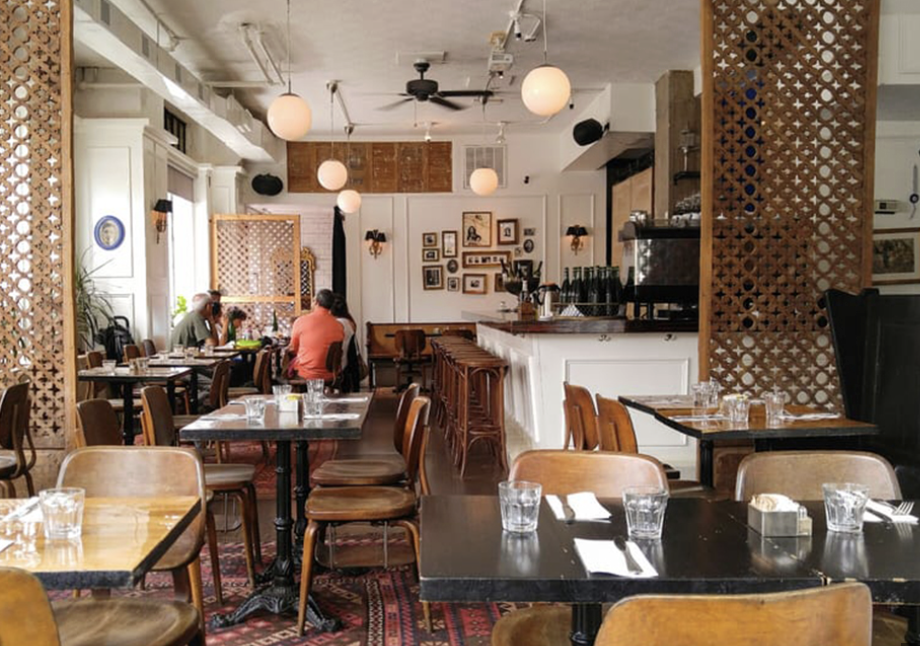
Photograph: Courtesy of Yelp/Alistair M. | The dining room at Lapis in Washington, D.C.